What is the top question
you are looking to answer?
Why is cloud the future of IT?
What new benefits and risks does cloud computing bring?
Watch my video, and understand the big why.
What is the CCSK cloud security certification?
How can my entire team be better at adopting cloud?

I help IT professionals and risk assessors and their teams to secure their cloud adoption, so that they can quicker realize the benefits of modern day IT. I help them to feel in control of the cloud. I show them how the cloud works, what the risks are and what the new opportunities are to realize benefits faster while reducing risk.
By better understanding the cloud and its risks, teams can speed up getting to a common vision, and therefore get to results quicker.
Testimonial

Carlo Tyrberg
I attended Peter’s CCSK-training and found it very useful, because 1) the sessions gave me more insight on several other aspects of cloud computing than only security, 2) it ‘inspired’ (/forced) me to study the CSA guide/ENISA more thorughly and not least 3) I manage to pass the exam 🙂
Carlo Tyrberg

Frank Cerney
I had very little to no experience wit the CLOUD, so this training was incredibly valuable to me. My new professional responsibilities are becoming more and more cloud centric. I have a greatly improved level of confidence because I know I have a solid educational foundation that the training and exam preparation has provided for me. I cannot recommend it highly enough!
Frank Cerney
Blog about Cloud, DevOps, and Digital Infrastructure Transformation
How is cloud audit different from IT audit as we know it? For starters, cloud brings new technology. And new
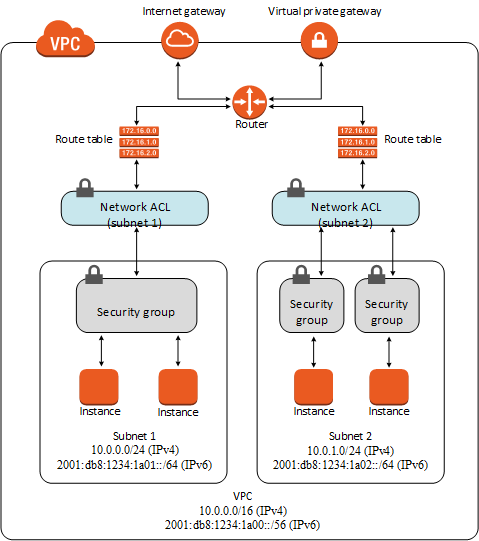
A while back, I introduced my take on deployment diagrams for cloud and devops infrastructure. Some of the big points
Official training partner Cloud Security Alliance
Some of the companies that I have worked with.